

Responsible Travel
What We Do
We at TCS are driven by the transformative power of travel. At the same time, we recognize the impact of travel on the environment and on local populations. Our mission—to enrich lives through travel—applies not only to our guests, but also to the people and places we visit. As a company, our responsible travel efforts are focused on both reducing our carbon footprint and having a positive impact on communities.
We are committed to monitoring and reporting on these projects, and will be updating this page annually on the progress of these efforts.


Environmental Projects
We recognize the urgent nature of the climate crisis and that aspects of tourism are currently too carbon intensive. Together with our suppliers and partners, we commit to playing our part in de-carbonizing the sector in line with the Intergovernmental Panel on Climate Change’s (IPCC) global goals.
Taking Climate Action by Supporting Healthy Oceans
As part of our commitment to climate and nature action, we’ve joined our sister companies across the Travelopia Group* to partner with Blue Marine Foundation.
Our objective is to help conserve the stunning coastlines and marine life that enrich your travel experiences and restore ocean ecosystems that are vital in tackling climate change.
Together with our sister travel companies, supporting the conservation and restoration of thousands of hectares of vital marine ecosystems through projects across the globe, these protected “blue carbon ecosystems” have the potential to remove and store thousands of tons of carbon every year. They also help protect a rich diversity of coastal and underwater wildlife, including endangered species.
Our support also enables the training and employment of local communities in marine conservation, helping ensure these beautiful places are preserved for generations.
TCS World Travel is a member of the Travelopia group of travel companies which has come together to partner with Blue Marine Foundation.
Philanthropy Projects
Over the past 23 years, TCS World Travel has contributed more than $4 million to the Vayu Global Health Foundation (formerly Ujenzi Charitable Trust) to support the development and adoption of accessible health solutions for the poor and vulnerable across more than 40 countries. Vayu recognizes the impact women have on the health of their families and communities and invests in maternal and child health projects that lead to healthier pregnancies, healthier babies and healthier, more resilient communities.
We also support the work of Gorilla Doctors, a group dedicated to conserving wild mountain and eastern lowland gorillas through life-saving, hands-on veterinary medicine in the wild, as well as through providing healthcare to the surrounding communities. Gorilla Doctors recognize that the health of the gorillas is inextricably linked to that of the entire ecosystem. As such, they not only care for the gorillas in the field, but also further protect them by supporting health programs for people living and working in and around gorilla habitat.

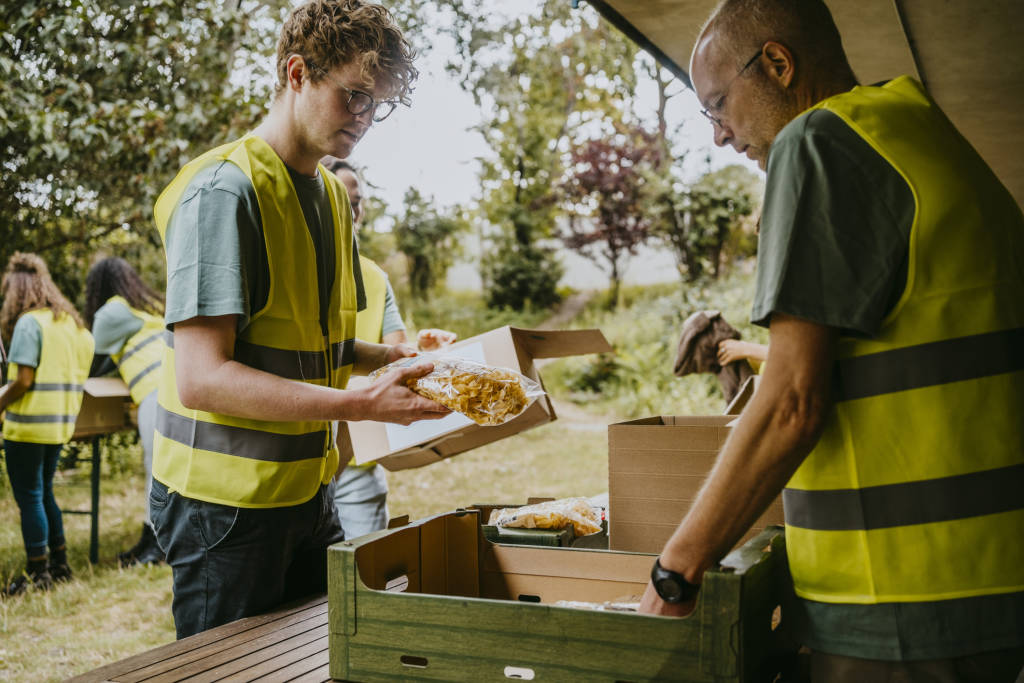
Annual Employee Volunteer Days
TCS World Travel sponsors two employee volunteer days per year where our staff leaves the office to work on projects that impact our immediate Seattle area. One day has a focus on community building through projects like sorting items at a local food bank, hosting a group activity with a local women’s and children’s organization, and cooking meals for families caring for sick children. The other has a focus on projects like beach cleanup or salmon habitat restoration.